

『Flow Meter For Chemical Dosing: Corrosion-Resistant Pumps and Micro-Flow Monitors』Related information(clamp on meter|electromagnetic meter|venturi meterrotameter|orifice meter|ultrasonic flow meter|mass flow meter|coriolis mass flow meter|coriolis flow meter|magnetic flow meter|magmeter flow meter|magflow flow meter|mag meter flow meter|electromagnetic flow meter|vortex flow meter|turbine flow meter|thermal mass flow meter|thermal flow meter|rotameter flow meter)
Flow Meter For Chemical Dosing: Corrosion-Resistant Pumps and Micro-Flow Monitors
Quick Answer: For chemical dosing, select a flow meter with PTFE, PVDF, Hastelloy C, or 316L wetted parts. Silver Instruments supplies electromagnetic, Coriolis, and oval gear meters for micro flow from 0.5 L/h to 200 L/h. Send chemical type, flow range, pipe size, and pressure for a model and price.
Chemical dosing skids inject small volumes of acid, caustic, polymer, or biocide into a process line. The flow meter sits between the dosing pump and the injection point. If the wetted material fails, the meter leaks. If the meter cannot read low flow, the dose drifts. Both failures cost more than the meter.
Why Corrosion Resistance Is the First Filter
In many water plants, operators dose sodium hypochlorite at 12.5 percent. That liquid attacks 316 stainless steel at room temperature. A meter with 316L body and no PTFE liner may last a few months. Then the electrodes or gear body pit and read incorrectly. We have seen this on customer sites many times.
For HCl at 30 to 37 percent, use PTFE or PFA liner with Hastelloy C electrodes. Ferric chloride follows the same rule. For caustic soda above 20 percent, PTFE and 316L can work if temperature stays below 40 °C. For solvents like toluene, a magnetic meter may not work because conductivity is too low.
Micro Flow Monitoring Is Not Standard Meter Territory
Many dosing skids run from 1 L/h to 100 L/h. That is below the reliable range of most industrial flow meters. A standard DN25 magmeter rated for 1 to 10 m/s cannot see 5 L/h. The signal drops into noise. The first step is narrowing the meter type by minimum flow range, chemical compatibility, and signal output.
Silver Instruments supplies micro magmeters in DN2, DN4, DN6, and DN10 sizes. These meters use PTFE or PFA liners and electrodes in Hastelloy C, titanium, or platinum. They output 4-20 mA HART or pulse. They suit many conductive chemical dosing solutions. For non-conductive solvents or high viscosity polymers, a micro Coriolis mass flow meter is often the better fit.
Recommended Flow Meter Types
For acid and caustic dosing, use a PTFE-lined electromagnetic flow meter. Example range: 10 to 200 L/h, DN6, 4-20 mA HART, Hastelloy C electrodes. This type is common in desalination plants in Oman and municipal water dosing in Chile.
For polymer or flocculant dosing, use an oval gear flow meter with PPS and PTFE internals. Example range: 2 to 60 L/h. Polymer fluids can coat electrodes. A customer in Malaysia used this setup for polyacrylamide dosing in sludge dewatering.
For solvent or non-conductive chemical injection, use a micro Coriolis mass flow meter. Example range: 0.5 to 50 kg/h, with Hastelloy C22 tubes. The Coriolis meter gives mass flow and density. The Coriolis meter works when conductivity is less than 5 µS/cm.
Pair the flow meter with a corrosion-resistant dosing pump. Pump heads in PVC, PVDF, or PTFE are common. The flow meter wetted parts must match the same chemical duty. A PTFE-lined meter with a PVDF pump head works for many acids.
Signal Output 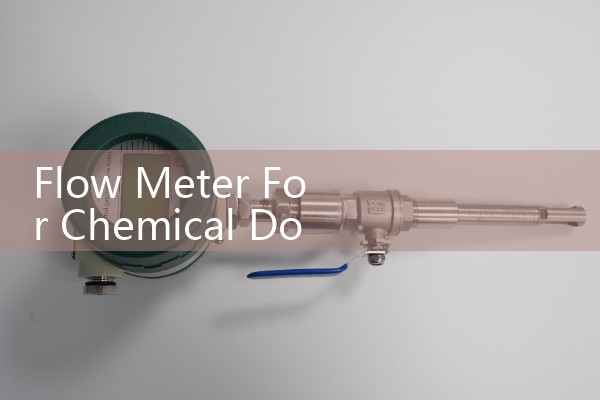
Most dosing systems need a 4-20 mA HART signal or pulse output to confirm actual dose rate. A meter with only a local display creates manual work. The PLC needs a live signal to adjust pump stroke or speed. Silver Instruments meters can output 4-20 mA, pulse, RS485 Modbus, or HART. State the PLC input type when you send an inquiry.
For hazardous areas, request ATEX or IECEx certification. Many chemical dosing skids sit in Zone 1 or Zone 2. Mention the zone classification. The zone classification changes the housing, cable glands, and certification documents.
Real Application Notes
Last year a customer in Vietnam needed to monitor 20 L/h of 35 percent HCl. The line was DN15. The first paddle wheel meter with a plastic body stopped after two weeks. The shaft swelled. We replaced it with a DN6 PTFE-lined electromagnetic flow meter. The PLC now reads 4-20 mA and alarms if flow drops below 15 L/h.
In Australia, a water treatment contractor needed to verify 5 L/h ferric chloride at 42 percent concentration. We supplied a micro magmeter with PTFE liner and tantalum electrodes on a DN8 line. The output is 4-20 mA HART. The site team checks the totalizer weekly against the dosing tank level. Error stays under 1 percent of reading.
Inputs We Need for a Quote
Send us the chemical name and concentration. Include flow range in L/h or kg/h. Give pipe size in DN. Add pressure in bar and temperature in °C. State the signal output and hazardous area zone if applicable. Each quote includes a material list and dimensional drawing.
Do not send only the word flow meter. A short spec table saves time and avoids wrong material selection.
FAQ
Q: Can one flow meter handle both acid and caustic dosing?
A: Yes, if wetted parts are PTFE or PFA and electrodes are Hastelloy C or titanium. Check concentration and temperature against a compatibility chart.
Q: What is the minimum flow rate for a chemical dosing flow meter?
A: Our micro magmeters read from about 1 L/h. Micro Coriolis meters read from 0.5 kg/h. Define minimum and maximum flow, not only the average.
Q: Does a magnetic flow meter work for all chemicals?
A: No. The liquid must have conductivity above 5 µS/cm. Solvents, oils, and many polymers are not conductive. Use a Coriolis mass flow meter or oval gear meter for those fluids.
Q: How do I prevent false dosing alarms?
A: Install the meter with enough straight run, keep the line full, and set the low flow cut off correctly. Air bubbles cause unstable readings.
Q: How long does delivery take?
A: Standard models ship in 5 to 10 working days after drawing approval. Custom materials or ATEX certification may take 3 to 4 weeks. We ship to Southeast Asia, Oceania, Latin America, Africa, and the Middle East.
Contact Silver Automation Instruments for a flow meter sized for chemical dosing. Tel: +86-25-68650347. WhatsApp: +86-25-52155837. WeChat: +86 15365082610. Send chemical type, flow range in L/h, pipe size in DN, pressure in bar, and temperature in °C. We reply with a model, material list, and price.
 Hot News
 Related AD