

『Flow Meter Grounding Ring Installation Guide: Eliminating Parasitic Voltage in Lining Pipes』Related information(clamp on meter|electromagnetic meter|venturi meterrotameter|orifice meter|ultrasonic flow meter|mass flow meter|coriolis mass flow meter|coriolis flow meter|magnetic flow meter|magmeter flow meter|magflow flow meter|mag meter flow meter|electromagnetic flow meter|vortex flow meter|turbine flow meter|thermal mass flow meter|thermal flow meter|rotameter flow meter)

Flow Meter Grounding Ring Installation Guide: Eliminating Parasitic Voltage in Lining Pipes
Quick Answer
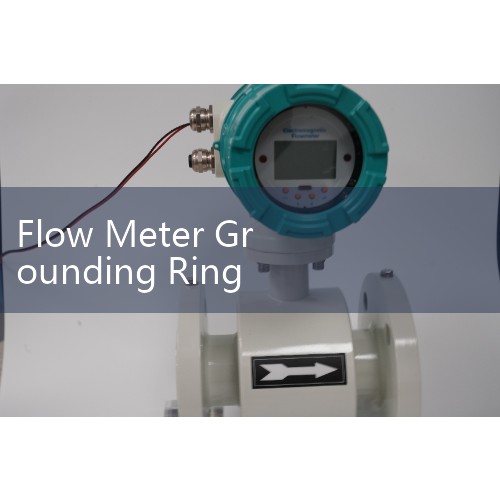
A grounding ring for an electromagnetic flow meter removes stray voltage from lined pipes and plastic pipes. Install one ring at each flange face of the sensor and bond both rings to the meter body. This returns the fluid to the same ground potential as the meter and the process line. Silver Automation Instruments supplies grounding rings for conductive liquids down to 5 µS/cm.
Why Parasitic Voltage Appears in Lining Pipes
PTFE, PFA, rubber, and polyurethane linings are insulators. When a conductive liquid flows through a lined steel pipe, the fluid is electrically separated from the grounded steel. Friction and chemical reactions build a small voltage on the liquid. This voltage has no path to earth. The electrodes inside an electromagnetic flow meter pick up this offset as noise. The signal can drift or slam to zero.
We have seen this on customer sites many times. A paint manufacturer in Vietnam ran a DN100 PTFE lined electromagnetic flow meter on a solvent line. The solvent viscosity was 2.4 cP at 30 °C. The batch target was 2,400 kg/h. The display showed 0.0 m³/h while the pump was running. Then the control system dosed too much hardener. The cause was not the meter sensor. It was missing grounding rings.
Where Grounding Rings Are Required
You need grounding rings or grounding electrodes when the process pipe does not provide a reliable electrical bond. This includes PVC, CPVC, FRP, and HDPE pipes. It also includes lined carbon steel pipes. Do not assume the pipeline steel is connected to the fluid. Any liner breaks that path.
In practice, most engineers skip this part during the first installation. They later see unstable 4-20 mA output or a HART diagnostic message for empty pipe or electrode noise. A simple ring solves the issue in minutes.
Installation Steps for Electromagnetic Flow Meter Grounding Rings
First, close the isolation valves and drain the line. Confirm the meter is de-energized. Remove the existing bolts and slip one grounding ring between each flange face and the sensor. The sealing face of the ring must touch the process fluid. Use the same gasket material on both sides where the manufacturer allows.
Second, connect a short copper ground cable from each ring lug to the meter ground terminal. Use cable of 6 mm² or larger. Keep the length under 2 meters. Long cables act as an antenna and introduce noise.
If the meter is installed in ATEX Zone 1, use grounding rings certified for the Ex circuit. Follow the bonding drawing from the certified assembly. Do not improvise with standard copper lugs unless the certificate allows it.
Third, check the resistance between the ring and the plant earth bar. It should be below 10 ohms. On a temporary skid in Malaysia, we measured 35 ohms because the installer painted over the lug. The reading was stable after cleaning the contact surface.
Fourth, verify the flow reading at zero flow. The value should remain within the empty pipe tolerance. Then run the pump and compare the flow rate against a known volume or a weighbridge.
Material Selection for Grounding Rings
Do not choose a grounding ring based only on price. The ring is wetted. It must survive the same fluid as the electrodes and liner. Common options include 316L stainless steel, Hastelloy C, titanium, tantalum, and platinum i
For seawater, 316L may pit after 12 to 18 months. A desalination plant in Oman switched to titanium rings on DN150 and DN200 lines. The previous rings lost material and caused unstable readings during backwash.
For sulfuric acid at high temperature, use Hastelloy C or tantalum. For high purity food applications, use 316L with a finish below 0.8 µm Ra. Provide the fluid name, concentration, temperature, and pH when you request a quote.
Parasitic Voltage Symptoms and Diagnosis
A flow meter that shows 0.0 m³/h while the pump runs is a classic sign. Another sign is a 4-20 mA output that jumps between 4 mA and 18 mA with no real flow change. Some meters show a HART diagnostic code for electrode noise or empty pipe.
Here is the thing. You can check this with a portable multimeter. Measure the AC and DC voltage between the fluid and the plant earth. A reading above 0.5 VAC usually points to poor grounding or nearby electrical interference. A PT100 on the same line will often show a stable temperature. The flow signal is the only unstable variable. Do this only if the meter permits safe access to the fluid. In hazardous areas, follow the site permit.
Because the fluid itself carries the charge, the problem often disappears when the pipe is drained. That confuses many maintenance teams. They reinstall the meter and see no issue. The problem returns when the line is full and moving.
FAQ
What size grounding ring do I need for my electromagnetic flow meter?
Match the ring to the meter flange and pipe size. For DN15 to DN50, standard ring thickness is 4 mm to 6 mm. For DN65 to DN300, use 6 mm to 10 mm. Silver Instruments provides rings for sizes from DN10 to DN2000.
Can I use stainless steel grounding rings in seawater or acid service?
Not always. 316L works in many fresh water and low chloride applications. Seawater usually needs titanium. Acid service may need Hastelloy C or tantalum. Send us the fluid name, chloride concentration, pH, and temperature. We recommend a wetted material.
Do I still need grounding rings if my electromagnetic flow meter has a grounding electrode?
Maybe not. A grounding electrode can replace rings when the fluid is conductive and the electrode stays clean. But for abrasive slurry or coating fluids, rings are more reliable. Most engineers specify both on PTFE lined pipes above DN100.
How do I check if parasitic voltage is causing unstable flow readings?
Measure the fluid to earth voltage during normal flow. Look for values above 0.5 VAC or a shifting DC offset. A low resistance bond below 10 ohms from ring to earth is also required. If the readings improve after adding a temporary earth strap, the grounding ring is likely the fix.
What is the lead time and price for grounding rings from Silver Automation Instruments?
Send us your pipe size (DN), flange standard, fluid name, temperature, pressure, and required material. We quote within 24 hours. Standard 316L rings often ship in 3 to 5 working days. Titanium and Hastelloy rings take 7 to 15 days depending on size.
Contact Silver Automation Instruments
Tell us your pressure (bar), temperature (°C), pipe size (DN), and flow range. Our engineers will confirm the correct grounding ring and flow meter for your lined pipe. Tel: +86-25-68650347. Whatsapp: +86-25-52155837. WeChat: +86 15365082610.
 Hot Product
 Related AD