

『Hydraulic oil flow meter』Related information(clamp on meter|electromagnetic meter|venturi meterrotameter|orifice meter|ultrasonic flow meter|mass flow meter|coriolis mass flow meter|coriolis flow meter|magnetic flow meter|magmeter flow meter|magflow flow meter|mag meter flow meter|electromagnetic flow meter|vortex flow meter|turbine flow meter|thermal mass flow meter|thermal flow meter|rotameter flow meter)
1. What are the components of a hydraulic transmission system?
1. Power components: Power components are responsible for converting the mechanical energy of the prime mover into pressure energy of hydraulic oil, providing the required pressure oil for the hydraulic system. Common power components include various types of hydraulic pumps. Execution components are responsible for converting the pressure energy of hydraulic oil into mechanical energy, in order to perform specific forces and speeds (linear motion) or torques and speeds (rotational motion). Execution components mainly include hydraulic cylinders and hydraulic motors. Control and regulation components are used to regulate the oil pressure, flow rate, and direction in the hydraulic system, ensuring that the execution components can complete tasks as expected. This type of component includes relief valves, throttle valves, and directional valves, which combine to form a hydraulic transmission system with the same function. Auxiliary components include oil tanks, oil pipes, oil pipe joints, accumulators, oil filters, pressure gauges, flow meters, and various sealing components. These components each play important roles in heat dissipation, oil storage, oil delivery, connection, energy storage, filtration, pressure and flow measurement, and sealing, and are indispensable parts of hydraulic systems. 5. Working medium: Working medium plays a key role in transmitting motion, power, and signals in hydraulic transmission and control. Hydraulic oil or other synthetic liquids are used as working fluid to disturb the working fluid.
2. How much does a high-pressure sensor cost
3. What are the correct methods and practical tips for filling oil?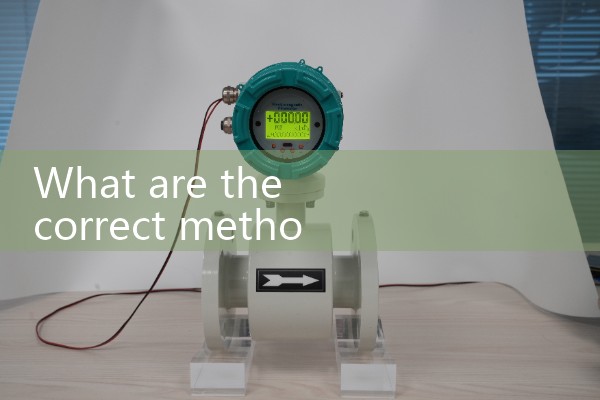 p>? The safety and standardization of oil injection are the core, and the preparation work and detail control directly affect the effectiveness. After understanding the operational objectives, we can start from three dimensions. Oil filling usually involves vehicle fuel replenishment, mechanical equipment lubrication, or industrial process oil transportation, and the key differences lie in the adaptation and operation specifications of oil products in different scenarios. For example, gasoline vehicles and diesel equipment use different oil grades, and industrial hydraulic oil needs to be matched with equipment pressure parameters. 1. Standardize operating procedures ● Cut off fire sources and static electricity: Turn off the engine or equipment power, avoid friction between metal containers, and wear cotton clothing to reduce static electricity. ● Tool selection: Use oil guns or conduits with conductive materials, embed copper wires in plastic funnels to eliminate static electricity, and choose explosion-proof tools for industrial scenarios. ● Fuel quantity control: When fuel is added to the fuel tank, the gun will automatically jump and stop. Mechanical equipment lubrication should refer to the oil window scale. When industrial oil injection, it should be accurately measured with a flow meter.
2. Practical tips to improve efficiency ● Temperature pretreatment: High grade diesel is prone to solidification in winter, so add anticoagulants in advance or use heated storage tanks.
. Impurity filtration: Before refueling agricultural machinery, use a filter screen to intercept particulate matter, and separate water from industrial oil through a sedimentation tank. Quality management of cracked oil products: After op Hot News
 Related AD