
 About Us
Flow Sensor Types: Essential Overview of Industrial Fluid Sensing Architectures
Quick Answer: The right flow sensor type depends on fluid, pipe size, pressure, temperature, and conductivity. Silver Automation Instruments supplies Coriolis, electromagnetic, ultrasonic, vortex, oval gear, and thermal mass flow sensors for water, wastewater, oil and gas, chemical, food, and marine applications. Most industrial meters use a 4-20 mA HART signal with a local display or a paperless recorder.
How We Match Flow Sensor Types to Process Data
Here is the thing: flow sensor selection is not about the sensor. It is about the process data. We need fluid name, flow range, pipe size DN, pressure in bar, temperature in °C, and conductivity for electromagnetic meters. In practice, engineers send us a data sheet and we reply with one or two options. A paint manufacturer in Southeast Asia asked for a solvent flow sensor last month. The fluid was low conductivity, so we recommended an oval gear flow sensor instead of an electromagnetic meter.
Electromagnetic Flow Sensors for Conductive Liquids
Electromagnetic flow sensors measure conductive liquids. The minimum conductivity is 5 µS/cm. These meters have no moving parts and work well for water, wastewater, brine, slurry, and seawater. Sizes run from DN15 to DN2000. Accuracy is typically 0.2% of reading. A PTFE liner and 316L electrodes cover many chemical processes. For desalination plant seawater flow meter jobs, we usually quote the SIL-EMF series with 4-20 mA HART and IP67 housing.
Coriolis Mass Flow Sensors for Direct Mass and Density
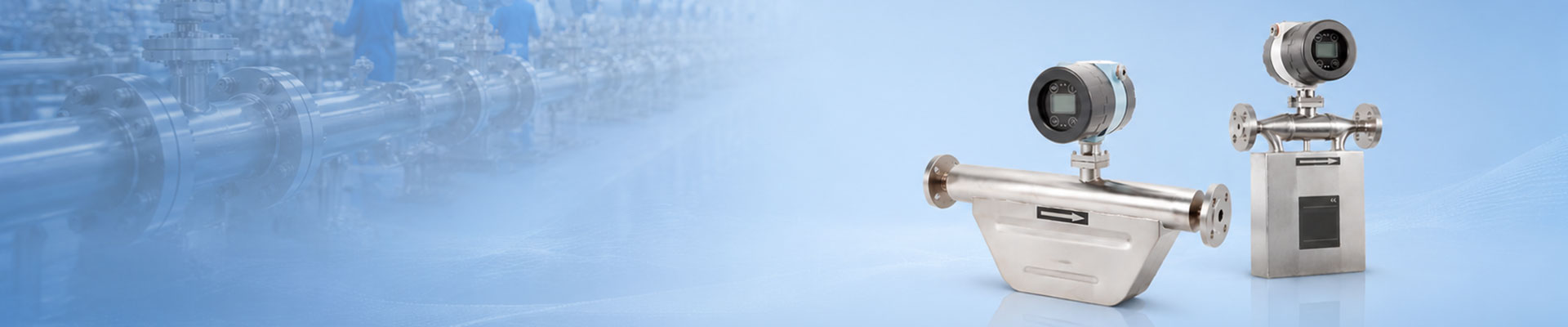
Coriolis meters measure mass flow, density, and temperature at the same time. Use them for chemical dosing, palm oil, syrup, LPG, and compressed natural gas. The process connection is often DN15 to DN150. Mass flow accuracy is about ±0.2% for liquids. Density accuracy can reach ±0.002 g/cm³. This sensor type costs more than other options, but it handles high viscosity fluids without compensation. A food plant in the Philippines uses a SIL-CMF series Coriolis meter on a chocolate syrup line because the product viscosity changes every batch.
Ultrasonic Flow Sensors for Large Lines and Retrofit Work
Ultrasonic flow sensors come in two architectures: clamp-on and inline. Clamp-on meters install on the outside of the pipe, so there is no shutdown and no pressure loss. Use them for clean water, chilled water, and large pipes from DN25 to DN3000. Accuracy is usually 0.5% to 1.0% depending on installation. One limit is heavy solids or gas bubbles. For raw river water with a lot of silt, we often push the customer to an electromagnetic meter instead.
Vortex Flow Sensors for Steam, Gas, and Fast Fluids
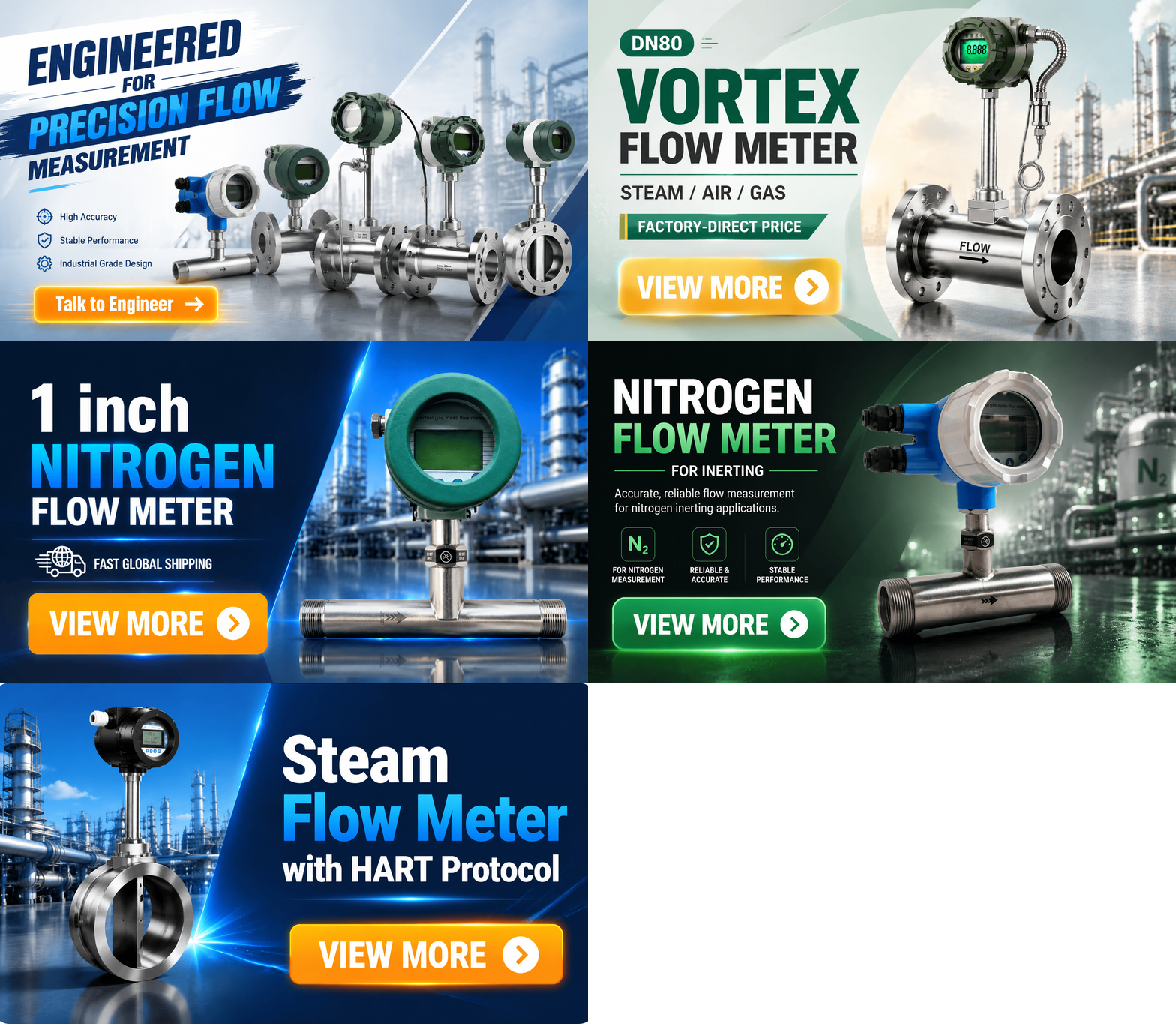
Vortex meters use a bluff body to create a frequency signal. They work for saturated steam, superheated steam, compressed air, and many clean liquids. Sizes run from DN15 to DN300. Liquid accuracy is about 1.0%. Steam and gas accuracy is about 1.5%. The meter handles temperatures up to 350 °C and pressures up to 40 bar. Most textile plants in Southeast Asia use the SIL-VF series for steam metering because it is simple and robust.
Oval Gear Flow Sensors for Diesel and Fuel Oil
Oval gear flow sensors are positive displacement meters. They are good for diesel, lube oil, marine fuel, and solvents. Small lines from DN4 to DN80 are common. Accuracy is about 0.5% of reading. These meters tolerate high viscosity and low flow rates that other sensors miss. We have seen many sites run a mechanical register and a pulse output to a local paperless recorder. A customer in Vietnam asked us for a diesel flow sensor for a generator set. The line was DN10 and the flow range was 5 to 50 L/h. We quoted a SIL-OG series oval gear meter.
Thermal Mass Flow Sensors for Air and Gas
Thermal mass flow sensors measure mass flow directly in gas lines. They work well for compressed air, natural gas, biogas, and stack gas. Insertion probes cover pipes from DN50 to DN2000. Inline designs cover DN15 to DN50. Accuracy is about 1.0% to 1.5% of full scale. The main advantage is low pressure drop and direct mass flow without pressure and temperature compensation. For a biogas line, tell us the gas composition, moisture level, and pressure. That detail decides probe length and calibration. We often quote the SIL-TMF series for these jobs.
How to Request an Industrial Flow Sensor Quote
Send us your fluid name, conductivity, pressure (bar), temperature (°C), pipe size (DN), and flow range. If you have an installation drawing, attach it. We reply with a model, price, and lead time. For urgent jobs, contact Silver Automation Instruments directly. Tel: +86-25-68650347. Whatsapp: +86-25-52155837. WeChat: +86 15365082610.
FAQ: Five Questions Engineers Ask Before Sending an RFQ
Which flow sensor type should I choose for wastewater with solids?
Use an electromagnetic flow sensor with a PTFE liner and 316L electrodes. It handles solids and sludge because there are no moving parts. The line must be full.
What is the minimum conductivity for an electromagnetic flow sensor?
5 µS/cm. If the fluid is below that, such as deionized water or some solvents, use an oval gear or Coriolis meter.
Can one flow sensor measure both gas and liquid?
Not reliably. A vortex meter can measure steam, gas, and liquid, but the factory calibration changes by fluid phase. Tell us the fluid before ordering.
What details do you need for a Coriolis mass flow meter quote?
Flow rate in kg/h, pressure in bar, temperature in °C, viscosity in cP, and pipe size DN. We pick a SIL-CMF series model with the right tube material.
Do you supply flow sensors for hazardous areas?
Yes. We offer meters with ATEX Zone 1 or Zone 2 approvals. Send us your zone classification and gas group.
 Contact Us
 Related AD