

 Current position > News detail
『Metal flowmeter』Related information(clamp on meter|electromagnetic meter|venturi meterrotameter|orifice meter|ultrasonic flow meter|mass flow meter|coriolis mass flow meter|coriolis flow meter|magnetic flow meter|magmeter flow meter|magflow flow meter|mag meter flow meter|electromagnetic flow meter|vortex flow meter|turbine flow meter|thermal mass flow meter|thermal flow meter|rotameter flow meter)

1. Working principle of metal tube float flowmeter
The working principle of metal tube float flowmeter is to indirectly measure the flow velocity or flow rate of the fluid by observing the position of the float in the fluid. The following is its detailed working principle and composition:
1. Structure Composition: The metal tube float flowmeter mainly consists of the following parts: Metal pipeline: As a channel for fluid flow, it is usually made of stainless steel or other corrosion-resistant metals to ensure stability and durability under harsh working conditions. Float: An object with a density lower than that of the fluid being measured, capable of freely moving up and down in the fluid. The shape and size of the float have been carefully designed to ensure that it accurately reflects the flow velocity and flow rate of the fluid. Dial or ruler: used to mark the range of flow, usually located on the outside of metal pipes for easy observation. Reading pointer: connected to the float, used to indicate the position of the float on the dial or ruler, thereby reading the corresponding flow value.
2. Working principle: Fluid flow: When fluid flows through a metal pipeline, a certain driving force is generated.
. This driving force is closely related to the flow velocity and flow rate of the fluid. Float movement: The position of the float in the fluid is influenced by the driving force of the fluid. When the flow rate increases, the driving force of the fluid on the float increases, and the float rises to a higher position accordingly; On the contrary, when the flow rate decreases, the float descends to a lower position. Reading flow rate: By observing the position of the float on the dial or rul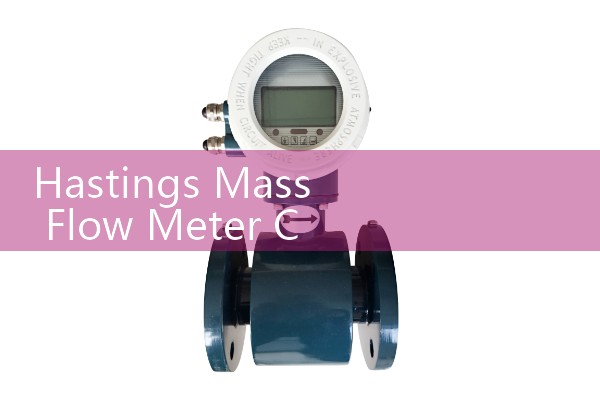
Thirdly, calibration is usually required to ensure the measurement accuracy of the metal tube float flowmeter.
. The calibration process can be carried out according to measurement requirements and equipment specifications, including the following points: zero point calibration: in the static state of the fluid, adjust the reading pointer to point to the zero position of the dial or ruler to ensure the accuracy of the measurement starting point. Full range calibration: When the fluid is flowing at maximum flow rate, adjust the reading pointer to point to the full range position of the dial or scale to ensure the accuracy of the measurement range. Mid point calibration: When the fluid flows at different flow rates, adjust the reading pointer to point to the corresponding position on the dial or scale to ensure the linearity and accuracy of the measurement results.Fourth, Application and Advantages Metal tube float flowmeter has the advantages of simple structure, accurate measurement, and easy maintenance, and is widely used in the field of flow monitoring and control of liquids and gases.
. Its working principle is simple and reliable, suitable for general flow monitoring needs. Meanwhile, due to the corrosion resistance and high temperature resistance of metal pipelines, metal tube float flowmeters can also maintain stable measurement performance under harsh working conditions. The following is a physical picture of the metal tube float flowmeter: In summary, the metal tube float flowmeter indi