

 Current position > Product detail
『Shaft seal water flowmeter』Related information(clamp on meter|electromagnetic meter|venturi meterrotameter|orifice meter|ultrasonic flow meter|mass flow meter|coriolis mass flow meter|coriolis flow meter|magnetic flow meter|magmeter flow meter|magflow flow meter|mag meter flow meter|electromagnetic flow meter|vortex flow meter|turbine flow meter|thermal mass flow meter|thermal flow meter|rotameter flow meter)
The most direct method to test the quality of a pumping pump is to combine visual inspection, power on testing, and performance parameter measurement for comprehensive judgment. 1. Carefully inspect the appearance and sealing of the pump body for cracks, deformation, or severe corrosion. All connecting components (such as bolts and pipe joints) should be tightened without looseness. Focus on checking whether there are any leakage marks at the joint of the shaft seal (mechanical seal or packing seal) and the pump body. Any dripping water indicates seal failure. 2. Electrical safety testing (key step) Use a megohmmeter (insulation resistance meter) to measure the motors insulation edge performance. Connect one end of the probe to the motor winding terminal and the other end to the motor metal casing. The measured insulation resistance value must be greater than 0.5 M Ω to be considered safe and qualified. If the resistance value is too low, it indicates that the winding is damp or the insulation is damaged, and there is a risk of leakage. It is strictly prohibited to power on. 3. Power on operation testing should be carried out on the premise of ensuring good insulation. Observe whether it is smooth at the moment of startup and listen for the sound of operation. Normal should be a steady and uniform buzzing sound. If there is severe vibration, harsh friction sound or abnormal noise, it may indicate mechanical faults such as bearing damage, impeller rubbing or rotor sweeping, and the power should be immediately cut off.
4. Performance testing (quantitative judgment) This is the core of judging the performance of the pump. Measure actual operating parameters using flow meters and pressure gauges. Compare the measur
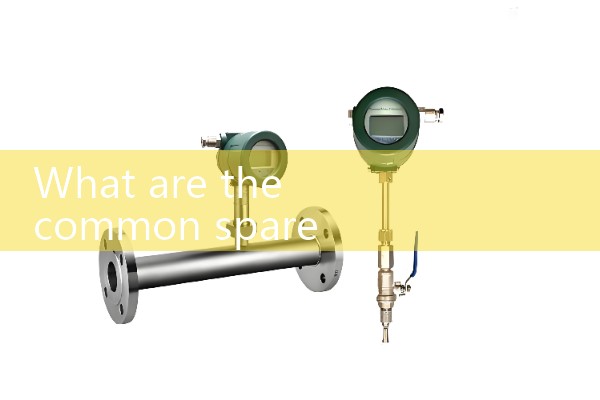
2. What are the common spare parts for medium pressure reverse osmosis?
Common medium pressure reverse osmosis spare parts mainly cover six categories: core membrane components, pretreatment systems, membrane shell matching, measurement and control instruments, fluid control, and general sealing consumables. The following are specific details.
Core Membrane Components - Medium Pressure Reverse Osmosis Membrane Components: Suitable for bitter and salty water and seawater desalination membrane components with an operating pressure of 1.0~2.5MPa, replacing spare parts for the system core. Common brands include Dow FilmTec, Heidelberg, Dongli, etc. Reserve spare parts according to the system design quantity - Membrane Component Matching Seals: O-rings at both ends of the membrane shell, concentrated water seals, and produced water seals, used to avoid fluid leakage between the membrane components and the membrane shell, belonging to hi